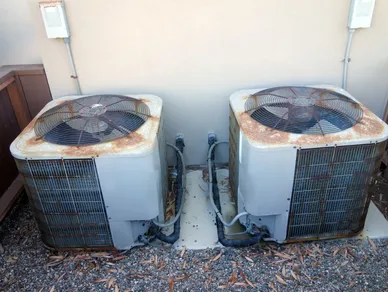
Heat pump short cycling is when the system turns on and off rapidly (every few minutes) instead of completing a full heating/cooling cycle (10-20 mins), causing inefficiency, higher bills, and major strain on components like the compressor, often due to issues like a dirty air filter, low refrigerant, frozen coils, or an oversized unit, leading to premature wear and potential failure.
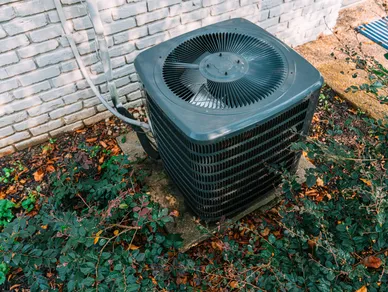
If your heat pump isn’t heating, first check simple things: thermostat settings (set to “Heat,” temp higher than room), power (breaker), and clear the outdoor unit of debris/snow. If that fails, look for a dirty air filter, which restricts airflow, or frozen coils. More complex issues requiring a pro include low refrigerant (leaks), a bad reversing valve, or a faulty capacitor, so call a technician if basic checks don’t work.
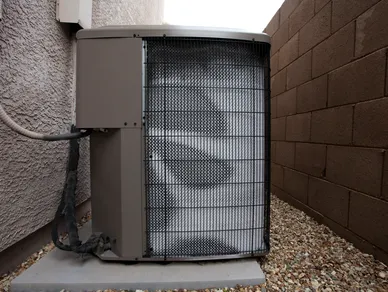
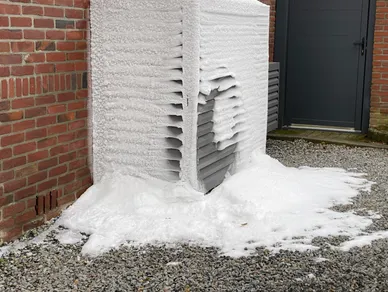
It’s normal for a heat pump’s outdoor coil to get lightly frosted in cold, humid weather, triggering a defrost cycle to melt it; however, significant ice buildup means a problem like restricted airflow (dirty filter/blocked coil), low refrigerant, bad defrost controls (sensor, timer, relay), or a faulty reversing valve, requiring you to clear debris, check the filter, or call a pro to prevent damage. Normal Frost vs. Problem Ice
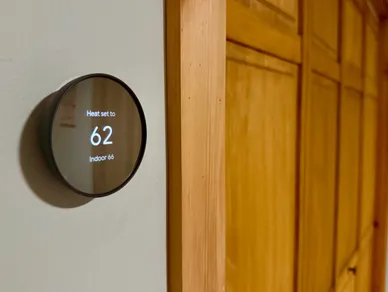
Heat pump thermostat/control issues often stem from simple fixes like dead batteries, wrong settings, or dirty filters, but can also signal complex problems like faulty wiring, bad capacitors, refrigerant leaks, or a failing reversing valve, causing the system to not turn on, run constantly, short-cycle, or blow incorrect temperatures, often needing professional diagnosis for wiring, controls, or components like sensors/capacitors.

If your heat pump isn’t cooling, first check the thermostat settings (set to “Cool,” temp lower than room), clean or replace the air filter, and ensure the outdoor unit’s coils aren’t blocked or frozen; common deeper issues requiring a pro include low refrigerant (due to leaks), a bad reversing valve, tripped breakers, or a failing compressor/capacitor. Start with simple fixes, but call an HVAC technician for anything complex, as issues like low refrigerant or valve problems need professional repair.
A heat pump stuck in defrost often signals airflow issues (dirty filters/coils), low refrigerant, or a bad component like the defrost board, sensors (thermostat/coil), or reversing valve, preventing it from returning to heating mode. To troubleshoot, first check/clean coils and filters, then try running it in “Fan Only” mode or turning it off at the breaker for a manual defrost, but if it remains stuck, you’ll need a pro to check electronics, wiring, and refrigerant levels. Immediate Steps (Manual Defrost)c
If your heat pump’s auxiliary (AUX) heat runs constantly, it usually means the system can’t keep up due to cold weather, a dirty filter/coils, air leaks, low refrigerant, or a malfunctioning component (like a stuck relay, bad sensor, or defrost issue), forcing backup heat to work overtime, which is costly. Check your thermostat settings (ensure it’s on “Heat,” not “Emergency Heat”), replace the air filter, and clear snow from the outdoor unit; if it persists, call a pro for issues like low refrigerant or a bad defrost board.
Hear what our residential and commercial clients say about MR HVAC’s reliable heating, cooling, and HVAC-R services.
Airflow: Check/replace dirty filters, inspect evaporator/condenser coils for dirt, look for debris around outdoor units, and examine ductwork for damage or leaks.
Components: Inspect electrical connections, wiring, safety controls (limit switches), condensate pans/lines, and the overall condition of the furnace, compressor, and fan.
Electrical: Measure amp draw for motors, check voltage, and test continuity.
Performance: Measure temperature rise (furnace) or temperature drop (AC) across coils, check refrigerant pressures (superheat/subcooling).
Airflow: Measure static pressure and air velocity (CFM) to assess duct system performance.
Safety: Confirm safety switches (high/low pressure, limit), gas connections for leaks, and proper exhaust venting.
Controls: Test thermostat operation, control board, and proper cycling of components.
Performance: Ensure the system meets designed specifications (e.g., proper heating/cooling output, humidity control) and document findings for the homeowner.
We provide on-site Air Conditioning Repair Services in Harrison, Arkansas and surrounding North Arkansas and South Missouri communities.